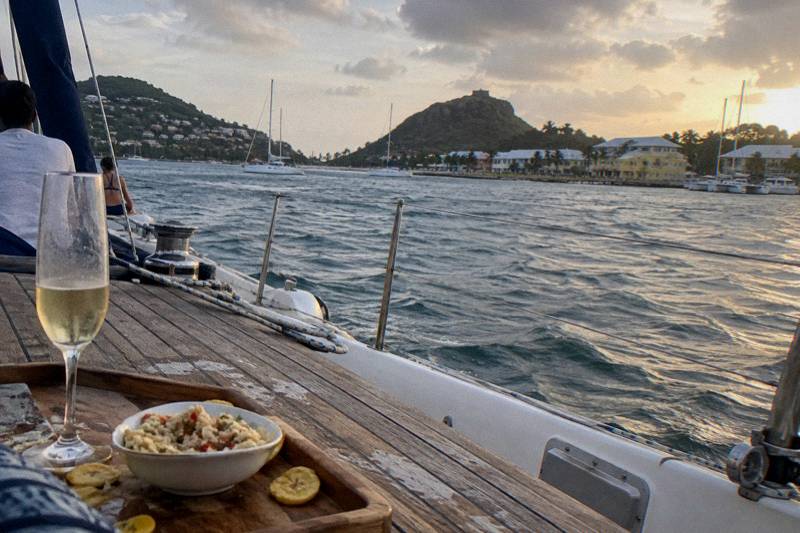
Do You Tip The Crew On A Sunset Sail In St Lucia?
Tipping on a St Lucia evening sail: the island's 10 to 12 percent bill custom, which sunset cruise products name gratuities as excluded, and how to carry cash for the crew.
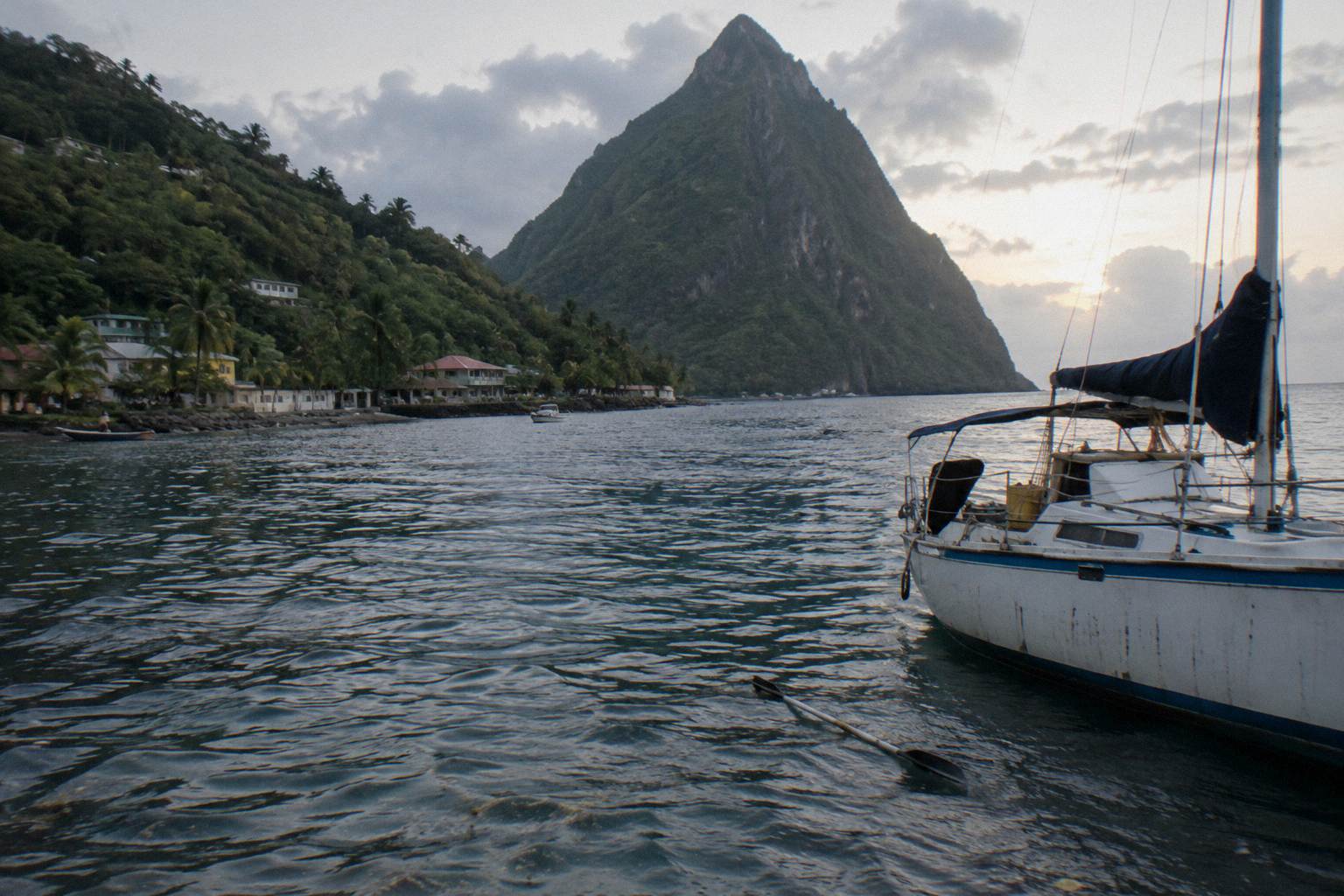
Evening sails out of Rodney Bay, Castries and Soufriere come in shared and private formats, and if you are weighing a shared champagne sunset sail in Rodney Bay against a boat of your own, the crew tip is one line of the budget that works the same way either way. The question of whether to tip, how much, and in which currency comes up on every one of them.
| Fact | Detail |
|---|---|
| Is a tip expected? | Tipping is customary; the island tourism body puts the custom at about 10 to 12 percent of bills |
| Is it added automatically? | Tipping is not automatically added to most bills |
| Which sails name it excluded? | Gratuities are excluded on shared sails and private catamarans alike |
| What currency works? | The Eastern Caribbean dollar is local, pegged to the US dollar, and US currency is widely accepted |
| What about restaurant bills? | A 10 percent VAT plus a 10 percent service charge applies to hotel and restaurant bills, sometimes already included |
| When does the sun set? | Between about 5:33 pm in late November and 6:36 pm in mid July, so sails run late afternoon into evening |
Yes, a tip for the crew is customary on a St Lucia sunset sail, and the clearest signal sits in the product details themselves. The Saint Lucia tourism body's travel tips describe tipping as not automatically added to most bills, with about 10 to 12 percent of the bill as the customary range. On top of that, a series of evening-sail products name gratuities among their exclusions, telling you the fare does not cover the crew's tip.
That combination, an island custom of roughly a tenth of the bill plus a gratuity line that is explicitly excluded, is the whole picture. Nobody on the boat will demand a tip, and the custom is a range rather than a fixed rule. The 10 to 12 percent figure belongs to bills generally, as described on the Saint Lucia tourism travel tips page, not to boat crews specifically, so treat it as the anchor the island works from rather than a number printed on the dock.
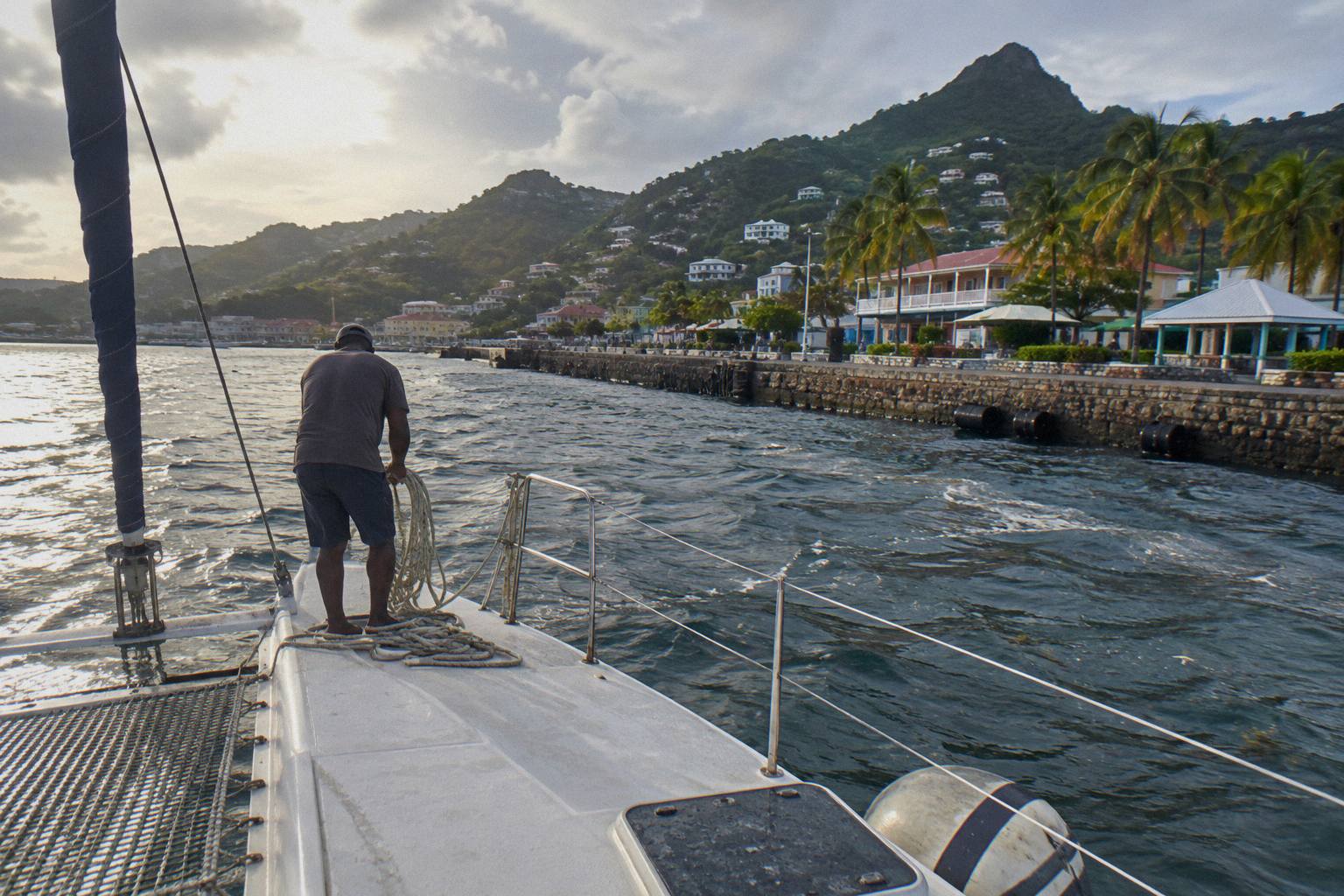
Two practical points follow. First, the exclusion line appears on products across every price band, from the Champagne Sunset Sail at from US$75 to a private catamaran at from US$1,285 per boat, so a tip belongs in your budget whether the fare was modest or substantial. Second, the crew you are tipping is usually small: on a shared catamaran or a small speedboat the people pouring the drinks and handling the lines are the same two or three faces the whole evening.
All amounts in US dollars, and prices vary by date and group, so the booking page for the evening you want shows the price for your date.
How Much Is A Normal Tip On St Lucia?
The figure the island works from is about 10 to 12 percent of the bill, and that range comes from the Saint Lucia tourism body's travel tips, which describe it as the customary level for tipping on bills generally, accepted by taxis, tour guides, hotel staff and others. There is no separate official rule for boat crews, so the fare you actually paid and the service you received set the scale.
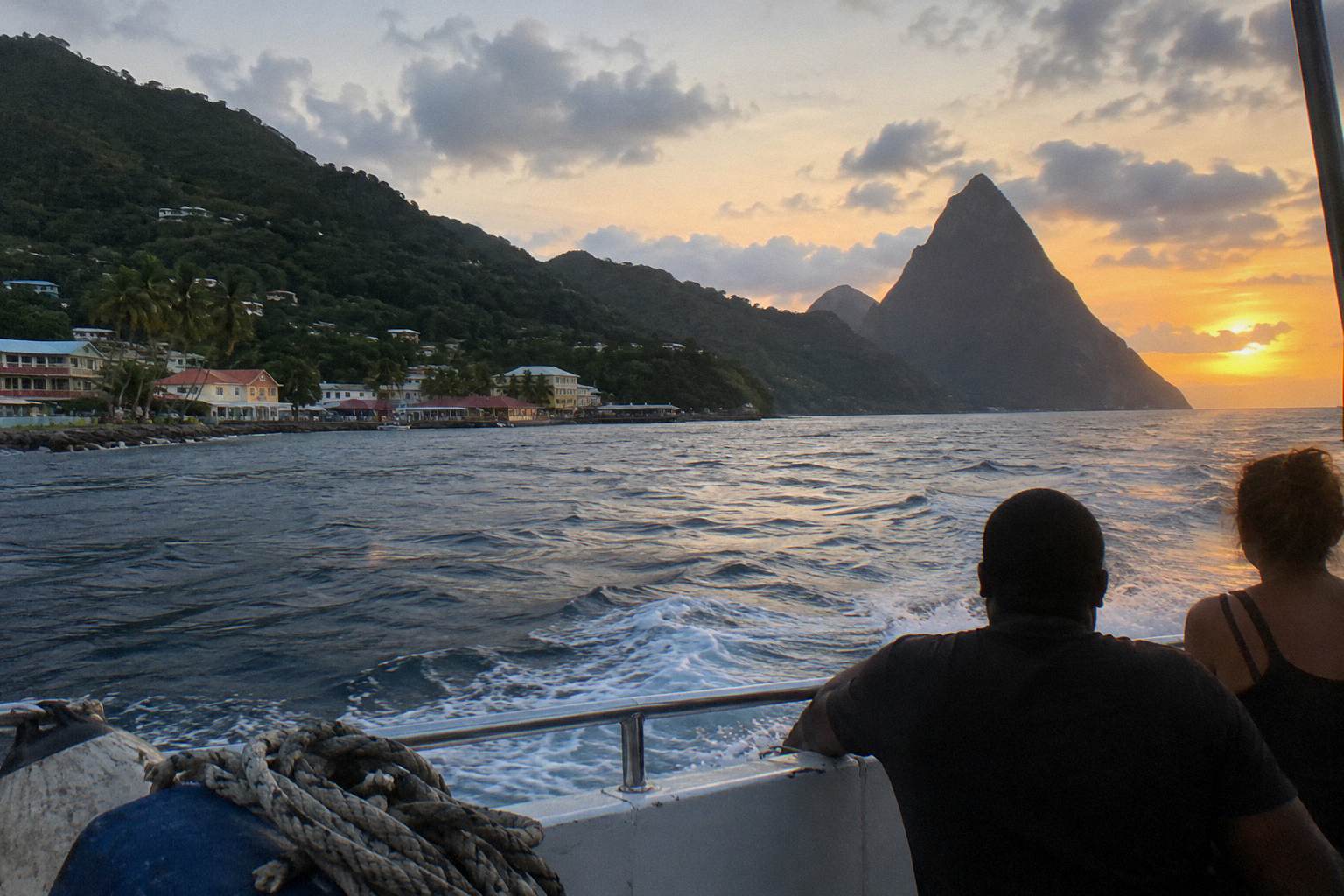
Worked loosely against real fares, the arithmetic is simple. A shared Champagne Sunset Sail from Sea Spray Cruises Ltd. starts at from US$75, and the Dream boat tours private cruise starts at from US$150, so a tenth of the fare is a smaller note on the shared boat than on the private one. On a private catamaran booked for a group, the fare is per boat, from US$1,285 for up to 15 guests, and the crew tip sits on top of that as a separate decision. The right frame is the bill in front of you, not a fixed dollar amount, because no official body states one for crews.
The distinction matters because well-meaning advice online often converts the percentage into a flat per-person number. Nothing in the island's own guidance does that. The travel tips page frames tipping as customary at about 10 to 12 percent of bills, sometimes already included in quoted prices at hotels and restaurants, and never states a crew rate. Your own judgement fills the gap: a two-hour shared sail with an open bar and snacks invites a different tip than a three-hour private charter where a skipper waited on your group alone.
A second anchor is the exclusions line itself. When a product names gratuities as excluded, the operator is telling you the price you paid stops at the boat, the drinks and the crew's wages, and that the tip is yours to give. That is a courtesy, not a demand, and it is why carrying small notes matters more than computing an exact figure.
Thinking about a private evening where the crew is yours alone? See dates and check the live price before you decide.
Which Sunset Sails Name Gratuities As Excluded?
Gratuities are excluded on shared sails and private catamarans alike. Reading that line before booking tells you the tip is a real, expected extra on top of the fare.
Here is the gratuity picture product by product. Amounts are from-prices in US dollars; where a rating is shown, it carries its review count.
| Product | Format | From price | Gratuities named |
|---|---|---|---|
| Champagne Sunset Sail (Sea Spray Cruises Ltd.) | Shared, 2 hours | US$75 | Excluded |
| Private Sunset Cruise in Caribbean (Dream boat tours) | Private, up to 10 | US$150 | Excluded |
| Luxury Sunset Cruise From Castries (Island Routes) | Shared, 3 hours | US$174 | Excluded |
| Private Catamaran, Up To 15 (Sea Spray Cruises Ltd.) | Private, per boat | US$1,285 per boat | Excluded |
| Private Sunset Cruise, Marigot Route (Captain Cliff) | Private, up to 14 | US$193 | Excluded |
| Private Cruise, Pigeon Island Route (Marlan's Boat Tours) | Private, up to 10 | US$230 | Excluded |
Three of those carry ratings: the Champagne Sunset Sail at 4.5 from 221 reviews, the Dream boat private cruise at 4.6 from 84 reviews, and the Island Routes luxury catamaran at 3.9 from 18 reviews. The others have review pools too small to quote a star figure from fairly.
Notice what the table does not say. A gratuity exclusion is not a tip mandate, and the absence of the line on another product is not a tip ban either. Products simply differ in what they spell out. The ones that name gratuities are being transparent about where their price stops.
The pattern across the table is also useful for planning. The exclusion runs from the cheapest shared sail to the most expensive private catamaran on the list, which means the tip question is not a luxury-only issue. Whatever the fare, the crew's gratuity is a separate, discretionary line, and the island's 10 to 12 percent bill custom is the only sourced benchmark for sizing it. The site behind this coverage, St Lucia Sunset Cruise, keeps the same question in view across every format it covers.
One format sits in the middle of the pack and is worth a look if you want a small-group feel without chartering a whole boat:
Is Tipping Different On A Private Charter?
On a private charter the mechanics are the same but the relationship is closer, so most of the difference is social rather than arithmetic. The tip custom still comes from the island's 10 to 12 percent range, and the private products name gratuities as excluded just like the shared sails do. What changes is that one skipper and crew served only your party.
On a shared sail you tip for a seat, a drink line and a slice of the crew's attention. On a private boat the crew has run the evening around your group alone, and on several products the start time itself is flexible, chosen on the booking calendar to fit your day. That is the service the gratuity recognises. The Captain Cliff private cruise, for instance, includes beer, water, sodas, local rum and wine in the fare, with gratuities excluded, from US$193 for up to 14 guests on a private basis.
Two budgeting notes specific to private bookings. The Dream boat tours cruise carries a fuel surcharge of US$40 per booking, with US$50 for Marigot Bay pickups and US$100 for Soufriere pickups, listed among its exclusions; that surcharge is an operator cost, not a tip, so keep the two lines separate in your head and your wallet. And on the Soufriere private catamarans, hotel pickup and drop-off is either included or not depending on the product, which changes the cash you need at the dock but not the crew tip logic.
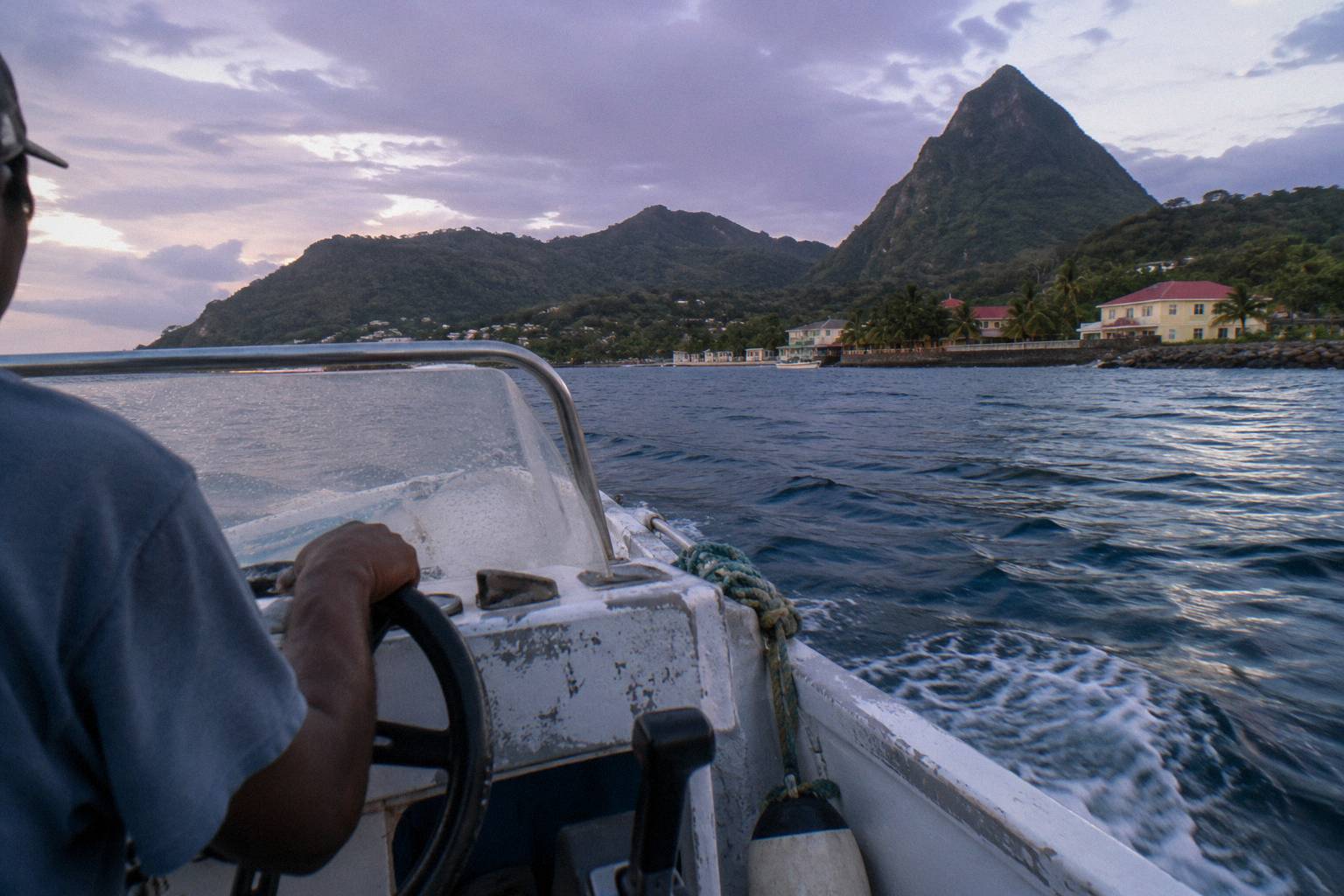
Group size matters too. A private catamaran for up to 15 guests splits the fare many ways, while a private cruise for up to 6, like the Golden Dream Water Taxi product from Soufriere at from US$150, is a small party carrying the whole tip. Sizing the gratuity to the bill, as the island custom does, handles both cases without extra rules.
Cash, Currency And How To Hand It Over
Carry US cash in small notes and you will not go wrong. The local currency is the Eastern Caribbean dollar, linked to the US dollar, and US currency is widely accepted across the island, including by tour crews. No card machine follows you to the rail at the end of a sail, the tip is handed over in person, and a wallet of fives and tens makes the amount easier to give.
The currency facts come from the Saint Lucia tourism travel tips page: the Eastern Caribbean dollar is the island's currency, pegged against the US dollar, and US notes are welcome nearly everywhere. There is no need to convert before the sail or to worry about the exact exchange rate on a ten dollar bill; the crew handles both currencies every working evening.
How the handover usually works on the water is simple and low ceremony. At the end of the sail, as the boat comes back toward the dock or marina, guests who are tipping approach the skipper or crew, say thanks, and pass the notes directly. Some parties pool into one envelope or one hand; couples hand over what they have agreed. There is no script and no expectation of a speech, and on a private charter where you have dealt with one skipper all evening, a direct thank you with the tip is the whole transaction.
Where you are staying shapes how much cash to have on you. Rodney Bay departures put you near the marina's shops, and Soufriere hotel pickups on the champagne product from St. Lucia Taxi Service include the hotel transfer in the fare, so the cash you carry can be tip-only. If you are combining the evening with a stop elsewhere, remember the Pigeon Island National Landmark charges non-resident adults US$10 and children 5 to 12 US$3 for daytime entry, which is a separate budget from the boat.
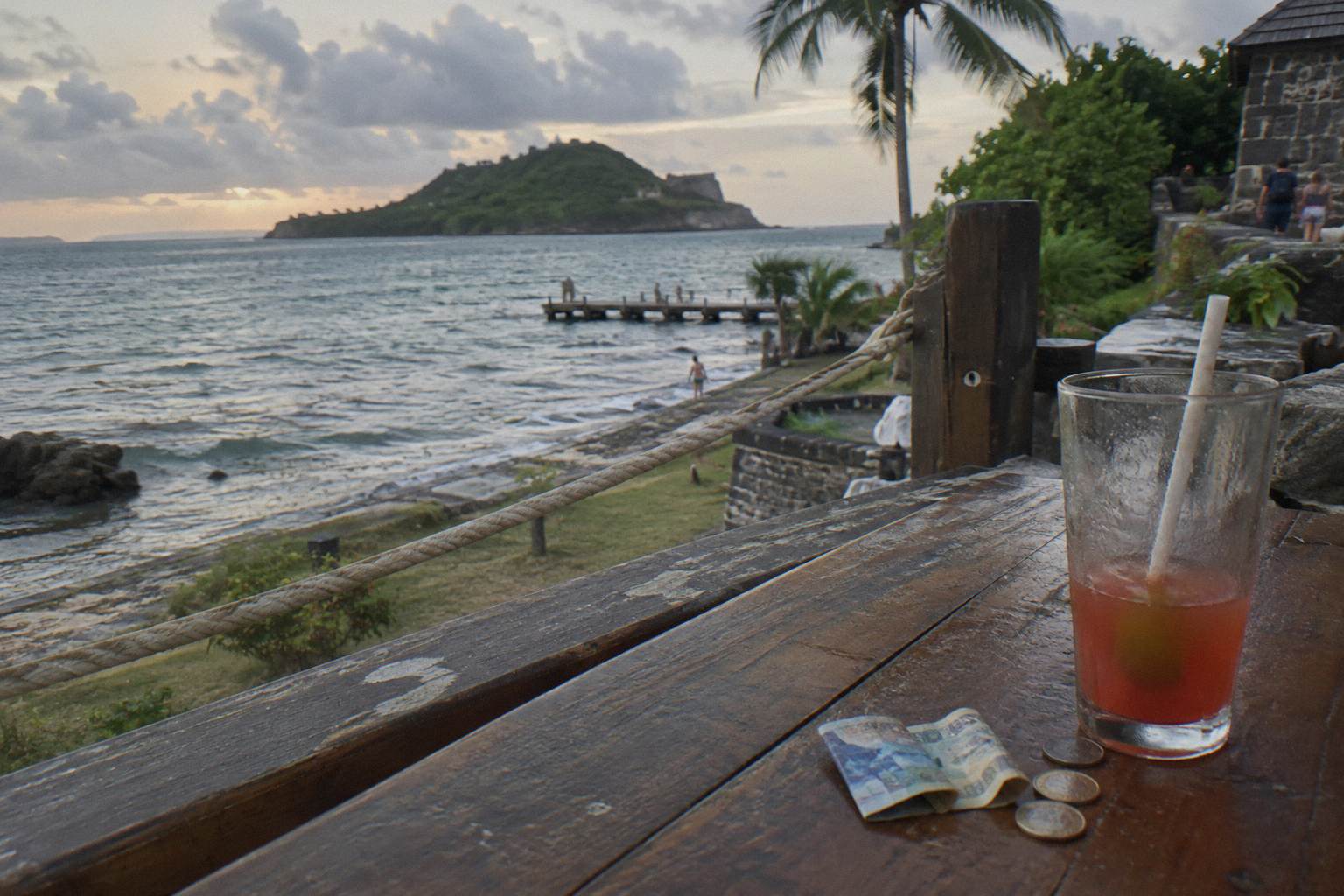
One habit worth building: decide the rough amount before the sail, keep it separate from spending money, and adjust up or down on the dock. Crews read the evening the same way you do, and a tip decided in advance avoids the awkward wallet shuffle in front of everyone at the rail.
What About The Service Charge On Your Bill?
A service charge and a tip are not the same thing on St Lucia, and the difference is worth knowing before you conflate them. Hotel and restaurant bills carry a 10 percent VAT plus a 10 percent service charge, sometimes already included in the quoted price, while tipping on most bills is separate and customary at about 10 to 12 percent. A sunset sail fare is neither a hotel nor a restaurant bill.
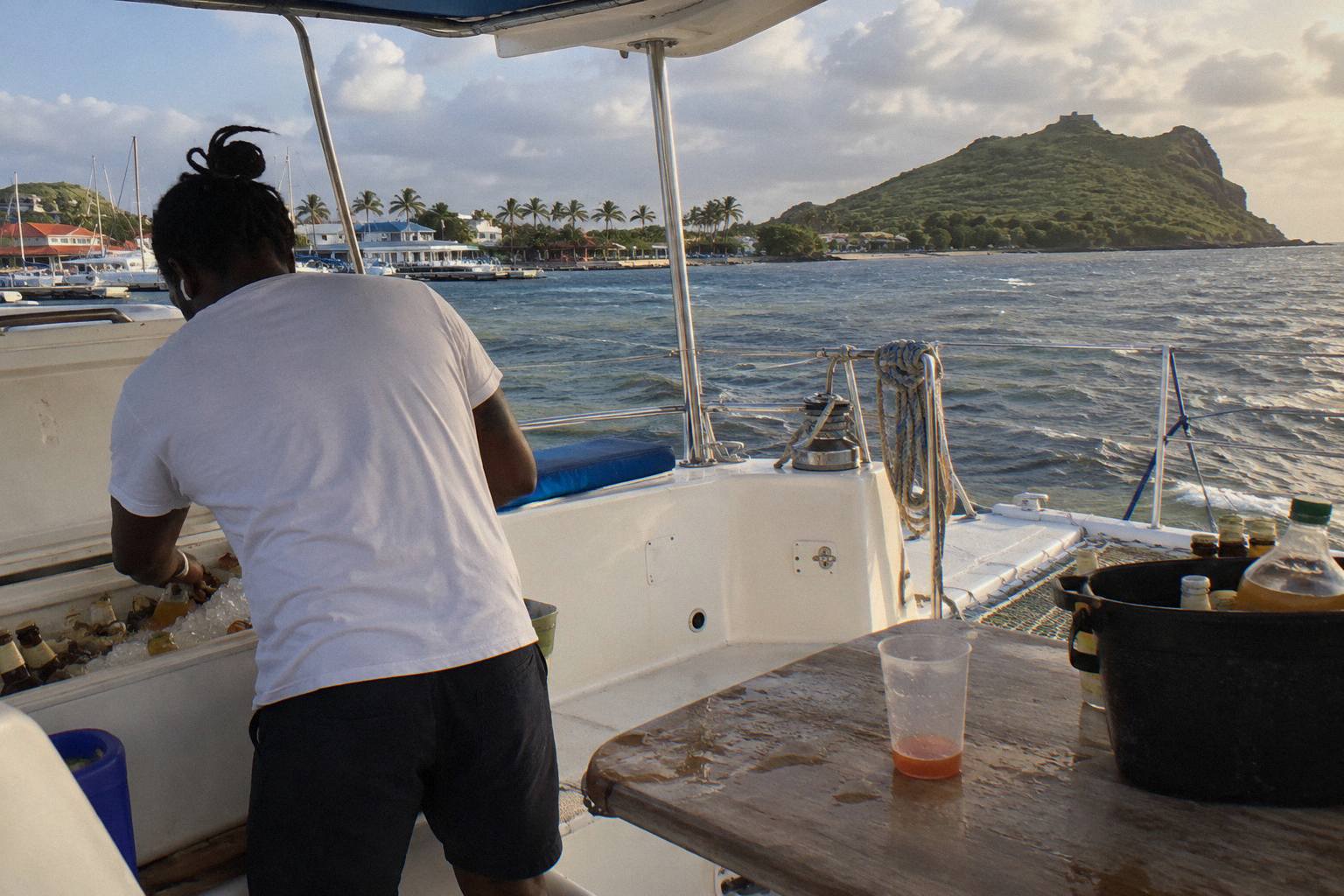
That distinction is the single most useful piece of the island's billing rules for a visitor. The VAT and service charge apply to hotels and restaurants; a boat trip's fare is its own thing, and the product details tell you what is inside it. The Sea Spray private catamarans fold all taxes, fees and handling charges into the boat price, while naming gratuities as excluded. Taxes in, tip out: that is the pattern to read for.
| Bill fact | What it means for you |
|---|---|
| Currency | Eastern Caribbean dollar, linked to the US dollar; US currency widely accepted |
| VAT | 10 percent on hotel and restaurant bills |
| Service charge | 10 percent on hotel and restaurant bills, sometimes already in the quoted price |
| Tipping custom | About 10 to 12 percent of bills, not automatically added to most |
| Who accepts tips | Taxis, tour guides, hotel staff and others, per the island's tourism guidance |
| On boat fares | Sails that name gratuities excluded expect the tip on top of the fare |
The practical read is that restaurant experience can mislead you on a boat. If a dinner bill already carried a service charge, you may tip lightly or not at all there; the sail has no such charge baked in, and its exclusion line says the crew's gratuity has not been collected by anyone. When a dinner-and-sail evening is on your mind, the sunset dinner and sail options walk through how those evenings are structured.
One more note for the wider trip: departure tax is included in the ticket price for passengers over 12, and entry needs a valid passport plus proof of onward journey for US, UK and Canadian citizens, so none of the island's official add-ons touch the crew tip itself. The tip remains the one payment on the evening that is entirely yours to size.
What Trips People Up Before You Book
Yes, several common missteps catch travellers before they even step aboard. They assume the fare covers gratuities when it does not, arrive without small notes for tips, wrongly apply restaurant service-charge logic to boats, overlook the Dream boat fuel surcharge, and book a no-refund luxury trip without reading the cancellation terms. Each mistake is avoidable with a few minutes of careful reading.
Go through them in order. The gratuity exclusion, covered earlier in this article, is stated on shared sails and private catamarans alike; the fix is reading the inclusions and exclusions before booking rather than after sailing. Small notes are the second fix: an ATM visit before the sail beats a fifty dollar bill nobody can break. The service-charge confusion dissolves once you know the 10 percent VAT and 10 percent service charge apply to hotel and restaurant bills, while the sail's own price is quoted with taxes and fees either bundled or not, as each product states.
The Dream boat surcharge deserves a second mention here because it is the one named extra cost that lands per booking: US$40 for fuel, US$50 for Marigot Bay pickups, US$100 for Soufriere pickups. Budget it beside the tip, not out of it. And the cancellation lines differ sharply: every product except one offers free cancellation up to 24 hours before start, while the Island Routes luxury catamaran from Castries is all sales final with a minimum age of 16, so that booking wants certainty before you commit. If bad weather is your worry, the piece on what happens when a sail is cancelled for weather covers the mechanics.
A final planning thought ties it back to the clock. Sunset runs between about 5:33 pm in late November and 6:36 pm in mid July, per the Castries sunset table, and the best months for a sunset sail dig into the seasons. Whichever month you pick, the crew tipping plan is the same: small US notes, the island's 10 to 12 percent bill custom as your benchmark, and a direct handover at the dock.
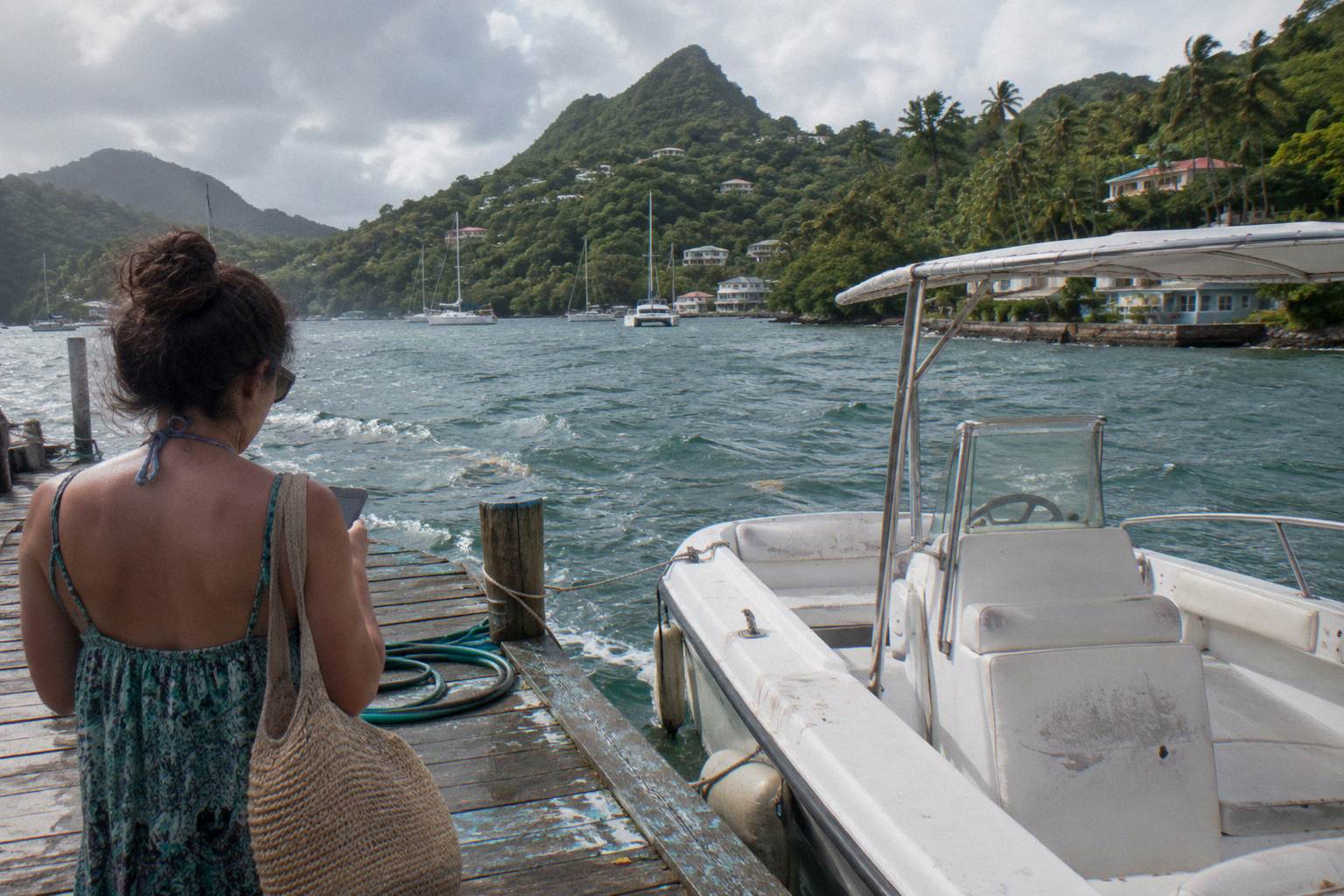
Each fare and tipping detail above is product-specific, so see dates on the booking page for the evening you have in mind, and check the live price there too.
Common Questions About Tipping On An Evening Sail
Do You Tip The Crew On A Sunset Sail In St Lucia?
Yes, a tip is customary. The island's tourism guidance describes tipping as not automatically added to most bills, customary at about 10 to 12 percent, and accepted by tour guides among others. Several evening-sail products name gratuities as excluded, which signals the fare does not cover the crew's tip.
How Much Should The Tip Be?
The only sourced benchmark is the island's custom of about 10 to 12 percent of a bill. Applied to a sail, scale it to the fare you paid and the service you received. No official body states a fixed crew amount, and no product prints one.
Should I Tip In US Dollars Or Eastern Caribbean Dollars?
Either works. The Eastern Caribbean dollar is the local currency, linked to the US dollar, and US currency is widely accepted. Small US notes are the practical choice because they avoid change-making at the rail.
Is The Tip Already Included In The Sail Price?
On products that name gratuities as excluded, no: the fare stops at the boat, drinks and inclusions, and the tip is separate. The Sea Spray private catamarans bundle taxes and fees into the boat price but still name gratuities as excluded.
Does The 10 Percent Service Charge Cover The Crew?
No. The 10 percent VAT and 10 percent service charge apply to hotel and restaurant bills, sometimes already included in the quoted price. A sail fare is a different purchase, and its own inclusions and exclusions govern it.
When And How Do I Hand Over The Tip?
At the end of the sail, as the boat returns to the dock or marina. Pass the notes directly to the skipper or crew with a thank you. Pooling among a group into one handover is common on private charters.