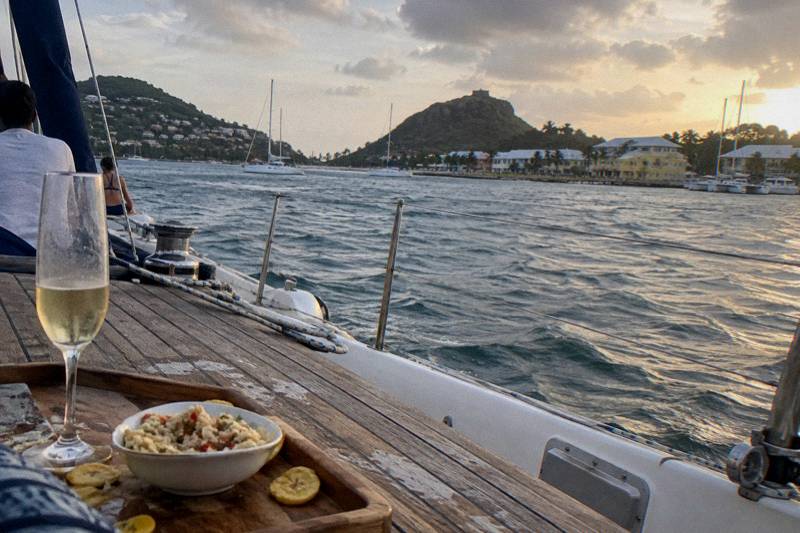
Best Months For A Sunset Sail In St Lucia: Trade Winds, Rain And Sea State
The best months for an evening sail in St Lucia cluster in the dry season, roughly January to mid-April, when rainfall is at its lowest and the evenings are dependable. But a wet-season sail has its own case: warmer seas, lush hills and later sunsets. Here is what each stretch of the year actually delivers.
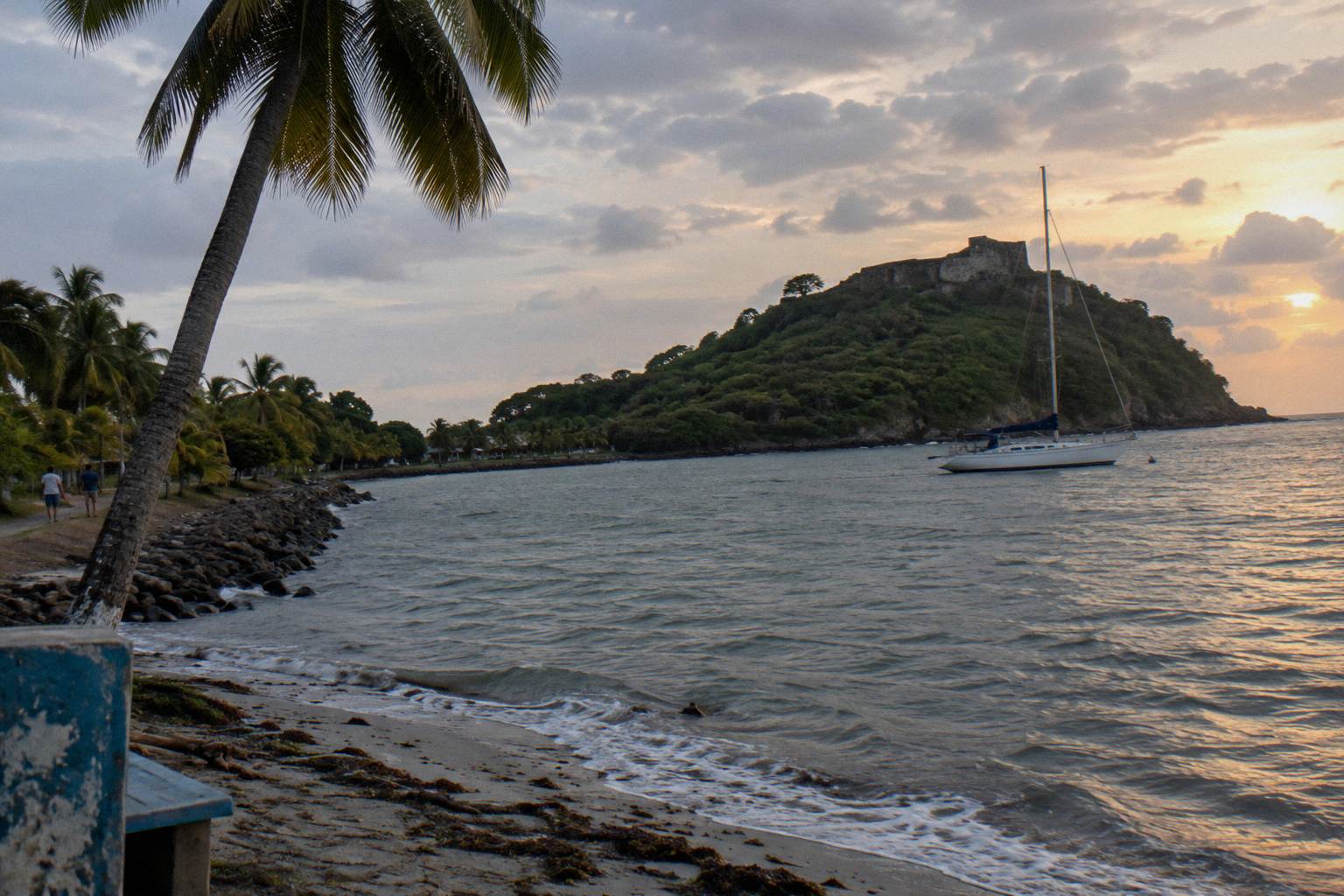
Short answer
The driest months are February and March, with mean rainfall of 70 mm and 65 mm respectively, making the January to mid-April dry season the steadiest window for a sunset sail. October is the wettest month at 250 mm. Sunset falls between about 5:33 pm in late November and about 6:36 pm in mid-July, so sailings run year-round.
Evening sails on this island fall into a few clear families, and the shared champagne sail from Rodney Bay, which anchors the shared champagne sunset sails from Rodney Bay category, is the one most travellers compare first when timing a trip around weather.
| Fact | Detail |
|---|---|
| Driest months | February and March, mean rainfall 70 mm and 65 mm |
| Wettest month | October, mean rainfall 250 mm |
| Dry season | About January to mid-April |
| Wet season | About mid-June to November |
| Hurricane season | June 1 to November 30, Atlantic basin |
| Average Atlantic season, 1991 to 2020 | 14 named storms, 7 hurricanes, 3 major hurricanes |
| Sea temperature | Typically 26 to 29 °C |
| Sunset range | About 5:33 pm in late November to about 6:36 pm in mid-July |
When Is The Best Time For A Sunset Sail In St Lucia?
The best time for a sunset sail in St Lucia is January through mid-April, especially February and March, when rainfall bottoms out at 70 mm and 65 mm, the lowest of the year, and air temperatures hold near 26 to 26.5 °C. If warmer seas and later sunsets appeal more than dry air, aim for mid-June through September, when water pushes toward 29 °C and July sunsets linger until about 6:36 pm.
The straightforward framing is that St Lucia runs an evening-sail season all twelve months, because sunset never leaves a narrow window: roughly between 5:30 and 6:40 pm year-round on the Castries clock, per the Castries sunrise and sunset table. What changes month to month is rain, humidity, sea temperature and, between June and November, the background noise of the Atlantic hurricane season. Choosing a month is really choosing a trade-off among those four.
Rainfall is the clearest signal. The monthly means climb from 65 mm in March to 250 mm in October, a nearly fourfold jump across the year, and the months either side of that peak move in a smooth curve rather than a cliff. A wet-season booking is not a booking for a wet evening, but it does carry a higher chance of an afternoon shower somewhere on the island.
Sea temperature barely moves by tropical standards, typically 26 to 29 °C across the year per the Saint Lucia sea temperature and climate page. Swimmers feel the difference more than sailors do. The air thermometer is similarly forgiving, with monthly means between 26 °C in January and 28.2 °C in September.
The whole year splits into three seasonal regimes, and the table below is the short version of everything covered here.
| Season | Months | Rain Character | What It Means For An Evening Sail |
|---|---|---|---|
| Dry | About January to mid-April | Lowest means of the year, 65 mm in March | Steadiest evenings, busiest boats, book ahead |
| Wet | About mid-June to November | Summer plateau of 200 mm and above, October peak at 250 mm | Warmest sea, latest sunsets, keep a fallback evening |
| Transitional | Mid-April to mid-June, December to early January | Between the two, 85 mm in April and 130 mm in December | Compromise months, thinner crowds, easier bookings |
Dry Season, January To Mid-April: The Steadiest Weather
The dry season, from January through mid-April, offers the steadiest weather for an evening sail, with March the driest month on record at 65 mm of mean rainfall and February close behind at 70 mm. Air temperatures hold near 26 to 26.5 °C in the core months, and sunsets shift from about 5:55 pm in January to about 6:17 pm in April, so boats depart in daylight and return under full dark.
This is the window most itineraries are built around. Rainfall totals of 65 to 105 mm per month across January to April are modest by Caribbean standards, and showers that do arrive tend to pass rather than settle. For a traveller whose whole evening depends on one two-hour window on the water, that steadiness is the product being bought, and the Champagne Sunset Sail in St. Lucia from Rodney Bay, 4.5 from 221 reviews, from US$75 with an open bar, snacks and a glass of champagne included, is the shared-format way to buy it. Free cancellation runs up to 24 hours before start, which matters in any season but especially in shoulder months when a front can shift plans.
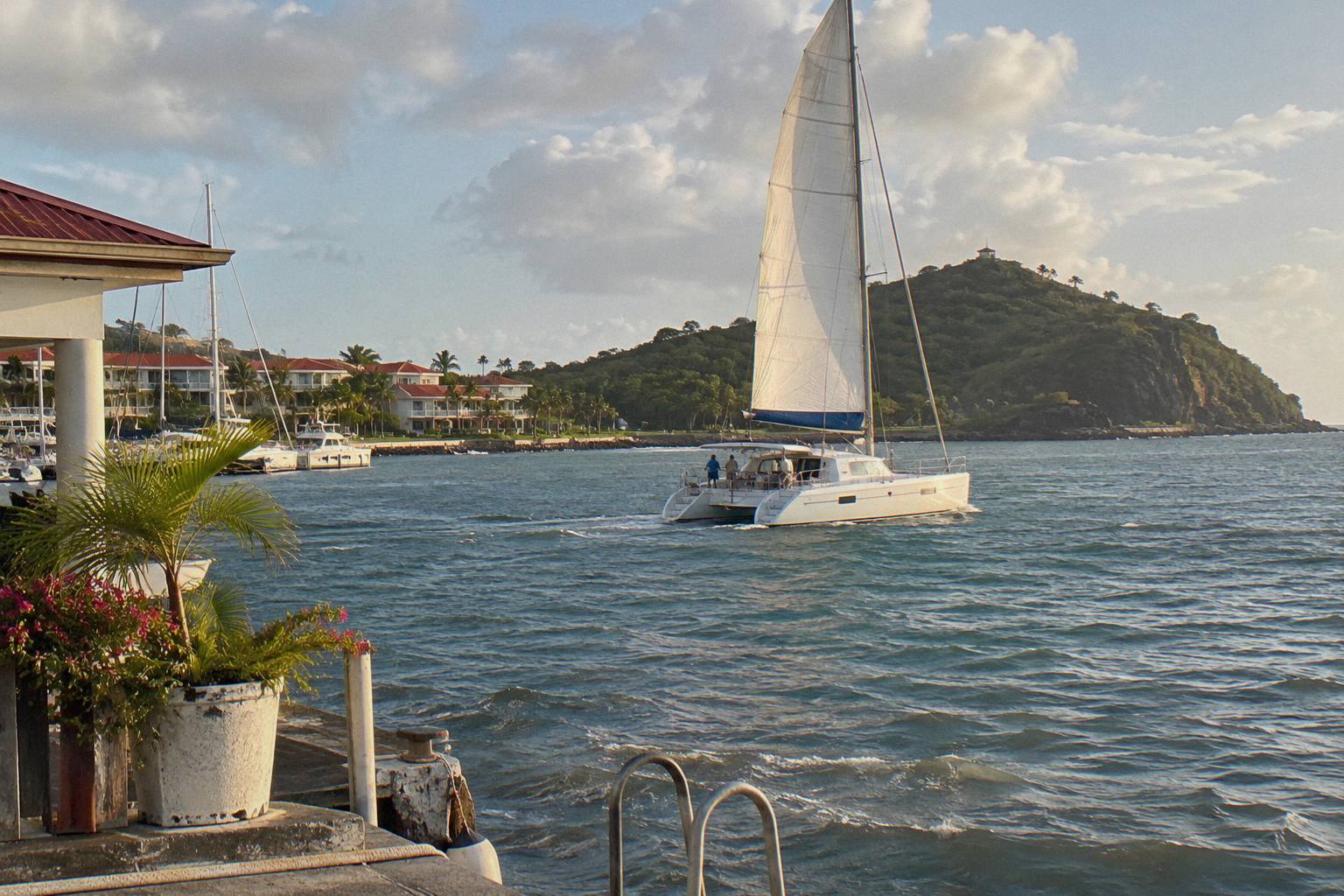
Prices and demand both peak inside this window, because everyone else has read the same rainfall chart. If your dates are locked to February or March, booking ahead is the move; the question of whether you need to book a sunset sail in advance has a different answer in peak dry season than in a quiet October week. Shared boats fill, and private boats get snapped up for proposals and anniversary dinners.
One nuance worth knowing: dry air does not mean a rain-free guarantee, and no month comes with one. What the numbers say is that January through mid-April gives you the lowest probability of a shower interrupting the sail, not a certainty of clear sky. The operator decides on the evening, and the booking page shows the date you are holding.
Wet Season, Mid-June To November: Rain, Heat And Value
The wet season, about mid-June to November, brings the year's heaviest rain: 200 mm in July, 220 mm in August, 250 mm in October. In exchange you get the warmest sea of the year inside the 26 to 29 °C band, air means of 28 °C and above from June through September, and the latest sunsets, about 6:33 pm in June and 6:36 pm in July. Sailings here start in brighter light and run later into dusk.
Wet season rain in St Lucia is real but rarely constant. The monthly means are averages across the whole month and the whole island, and the pattern in the tropics is typically convective: building clouds and heavy bursts, often in the afternoon or overnight, rather than all-day grey. An evening departure can dodge a wet afternoon entirely. The west coast adds a structural advantage, because it is the calmer, sheltered side of the island, the leeward Caribbean shore, while the Atlantic east coast takes the stronger trades. Every sunset cruise compared here departs from the west coast: Rodney Bay, Castries, Marigot Bay or Soufriere.
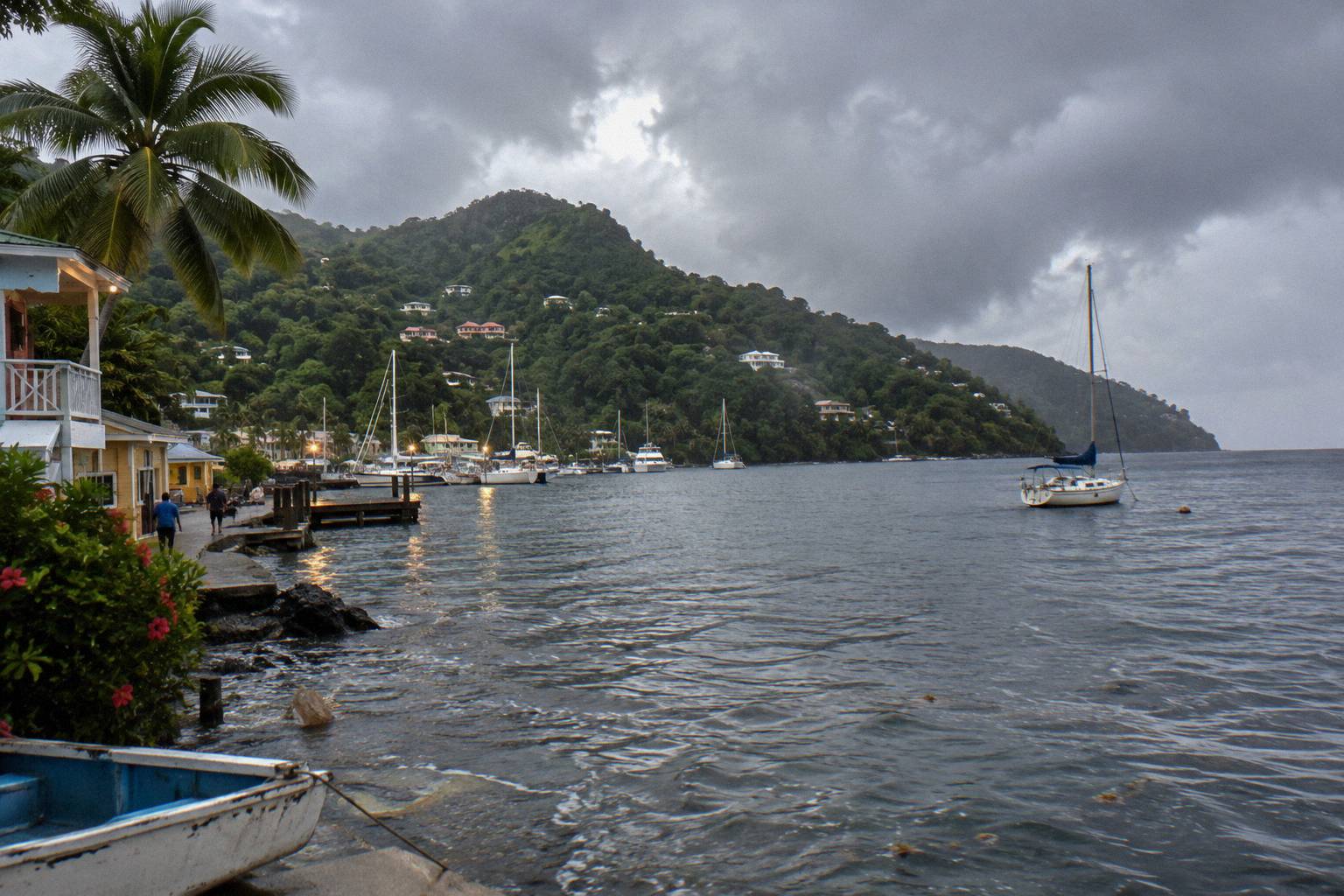
Value is the second argument for these months. Occupancy drops after the northern summer begins, and private formats become easier to secure on shorter notice. The Private Sunset Cruise in Caribbean in St. Lucia, run by Dream boat tours from Rodney Bay or Castries for up to 10 guests, 4.6 from 84 reviews, is priced from US$150 and includes local rum, mixers and bottled water, with flexible start times named in its inclusions. Note the surcharges before booking: a fuel surcharge of US$40 per booking, and US$50 for Marigot Bay pickups or US$100 for Soufriere pickups. All amounts are in US dollars.
Rain risk has a planning answer, too. Every cruise compared here carries free cancellation up to 24 hours before start, except the Castries luxury catamaran, where all sales are final. Weather-driven change is a real scenario, and what happens when a sail is cancelled for weather is worth two minutes of reading before you commit to a final-sale product in the rainy half of the year.
Transitional Windows: Mid-April To Mid-June And December To Early January
The two transitional stretches, mid-April to mid-June and December to early January, sit between the seasons and behave like it. May posts 105 mm of rain, June climbs to 155 mm, and December falls back to 130 mm after November's 235 mm. These are the compromise months: fewer crowds than February, less rain than October, and sunsets moving quickly, from about 6:23 pm in May to about 5:38 pm in December.
Mid-April to mid-June is the quiet favourite of repeat visitors. The air has warmed to a mean of 28.1 °C in May, the sea is climbing toward its summer peak, and rainfall has not yet reached the mid-June step-change into the wet season proper. Bookings are thinner than in the peak, and the evening light is generous, with sunset around 6:23 pm in May meaning a full hour of golden light after a 5 pm departure.
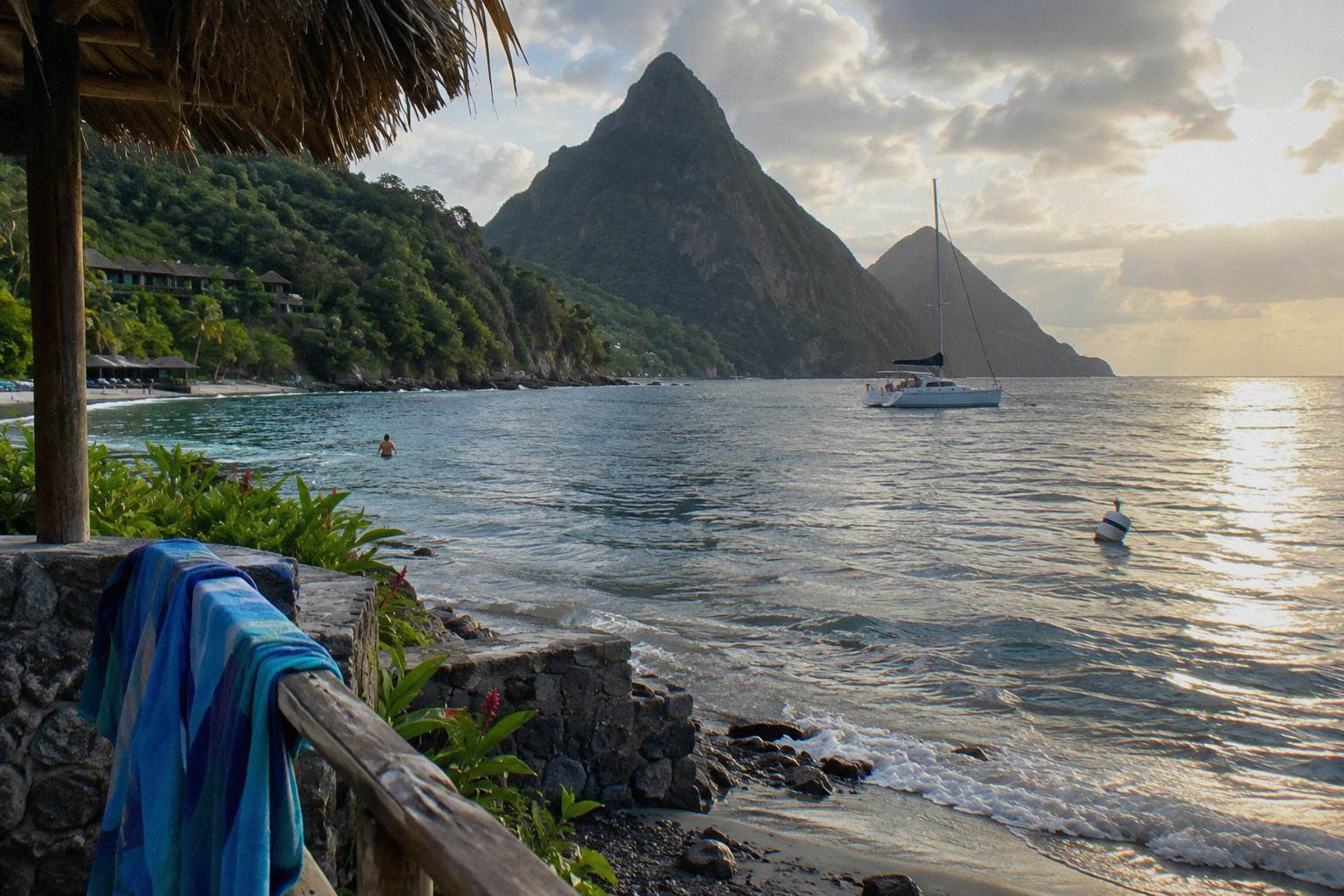
December to early January is the sharper compromise. The first half of December can still carry November's tail of rain, 235 mm in November against 130 mm in December, but the trend is drying fast, and by early January the island is squarely in the dry season. Sunset is near its earliest, about 5:33 pm around November 21 and about 5:38 pm on the December 15 clock, so these sailings are true dusk trips, on the water as the light goes and back at the dock in full evening. A 3-hour format makes the difference here: the St. Lucia Luxury Sunset Cruise From Castries, a 50ft catamaran run by Island Routes at 3 hours from US$174, with a premium bar, hors d'oeuvres and seafood cocktails, stretches across the whole dusk. It carries a minimum age of 16 and all sales are final, so it suits a committed adult group.
Hurricane Season: The Dates And The Averages
The Atlantic hurricane season runs June 1 to November 30 and includes the Caribbean Sea. The 1991 to 2020 average season produced 14 named storms, 7 hurricanes and 3 major hurricanes across the whole Atlantic basin, per the National Hurricane Center. A St Lucia sunset sail inside those dates is a normal, routinely sold product; the numbers describe the basin, not a forecast for any week you might book.
It helps to be precise about what these averages mean. The 14 named storms are counted across the entire Atlantic, from the Gulf of Mexico to the open ocean east of the Lesser Antilles, and most never come near St Lucia. What the dates do change is practical: from June through November, a distant system can raise swell, shift wind patterns or bring a band of rain across the island days after it passes elsewhere. Operators watch this closely, and the 24-hour free cancellation on most of the cruises compared exists partly for exactly this scenario.
The National Hurricane Center climatology page is the primary source for the season dates and the 1991 to 2020 averages. When a storm is actually in the area, regular forecasts take over, and your operator's go or no-go call governs the evening. The planning move is simple: keep one flexible evening in your itinerary inside these months if your heart is set on the sail, and check the live price for your dates on the booking page rather than locking the last night of the trip.
Sunset Time By Month: When The Sky Turns
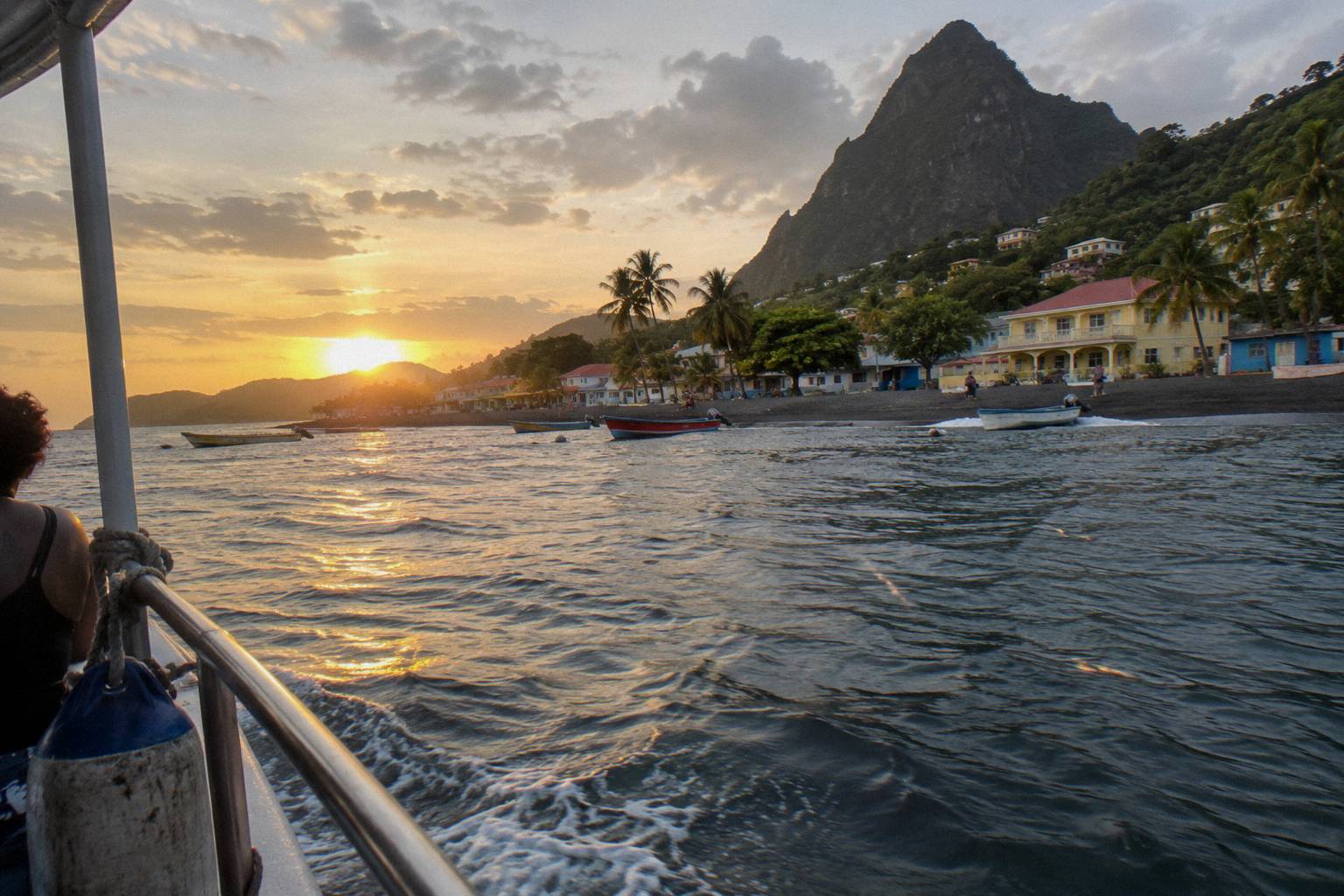
Sunset in St Lucia moves across a one-hour band all year: earliest about 5:33 pm around November 21, latest about 6:36 pm around July 11. On the 15th of each month it reads 5:55 pm in January, 6:14 pm in March, 6:33 pm in June and 5:44 pm in October, Castries local time, with no daylight saving to shift the clock. The full twelve-month pattern sits in the table below.
Because the island sits near 14 degrees north, its seasonal swing is small compared with northern latitudes, but it is not nothing. A July departure at 5 pm gives you ninety minutes of daylight before the sun touches the sea; the same departure in late November gives you barely thirty. If long golden hours are the point of the trip for you, June and July are the months, and a later calendar slot beats an early one inside any given month, subject to what the operator schedules.
| Month | Sunset On The 15th |
|---|---|
| January | About 5:55 pm |
| February | About 6:08 pm |
| March | About 6:14 pm |
| April | About 6:17 pm |
| May | About 6:23 pm |
| June | About 6:33 pm |
| July | About 6:36 pm |
| August | About 6:26 pm |
| September | About 6:05 pm |
| October | About 5:44 pm |
| November | About 5:33 pm |
| December | About 5:38 pm |
Start times themselves belong to the booking calendar rather than to any article, including this one, so confirm the slot for your date when you hold a seat. The month-by-month pattern above is the stable part of the plan: it lets you know roughly how much light you will have and how early you need to be ready, whether you are comparing boarding logistics on the sunset sail boarding times and clock guide or deciding between a 2-hour and a 3-hour format.
Rainfall And Temperature, Month By Month
March is the driest month at 65 mm of mean rainfall and October the wettest at 250 mm, with the curve rising through summer and falling after the peak. Mean air temperature spans a narrow band, from 26 °C in January and February to 28.2 °C in September, and the sea holds a typical 26 to 29 °C all year. Together these numbers say the month you choose shapes the rain risk far more than the warmth.
| Month | Mean Rainfall (Mm) | Mean Air Temperature (C) |
|---|---|---|
| January | 105 | 26 |
| February | 70 | 26 |
| March | 65 | 26.5 |
| April | 85 | 27.4 |
| May | 105 | 28.1 |
| June | 155 | 28 |
| July | 200 | 28 |
| August | 220 | 28.1 |
| September | 205 | 28.2 |
| October | 250 | 27.8 |
| November | 235 | 27.4 |
| December | 130 | 26.6 |
The pattern to read from the table is the shape, not just the extremes. Rainfall falls steadily from October's peak through November and December, bottoms out across February and March, then climbs again in steps, 85 mm in April, 105 in May, 155 in June, before the summer plateau of 200 mm and more. Temperature does almost nothing by comparison: two degrees separate the coldest and warmest months. Anyone choosing a month for comfort rather than for dryness is choosing between flavours of warm.
The Saint Lucia climate page is the source for the season split and both monthly series. What it means for the evening itself: in the driest months the greatest risk to your sail is a busy boat rather than weather, while in the wettest months the opposite holds, and the operator's evening call, not the monthly average, decides whether you sail. A private format gives you more control over the schedule in that second case, and how to compare sunset sail operators walks through the format and price differences side by side.

Does The Season Change Which Sail You Should Book?
Yes, but through format and route rather than through the boats themselves. In the dry season, shared sails from Rodney Bay are easy to join and fill early, so book ahead. In the wet season, private formats with flexible start times and 24-hour free cancellation absorb weather risk better. From the south of the island, Soufriere departures pair the same seasons with the Pitons, a UNESCO World Heritage site since 2004.
The Champagne Sunset Sail stays the reference point for the north: a 2-hour shared trip from Rodney Bay at 4.5 from 221 reviews, from US$75, with hotel pickup in the north included, an open bar, snacks and a glass of champagne. It runs as readily in October as in March; what changes is how far ahead you need to hold a seat, and the see-dates link on its booking page is the quick check before you commit.
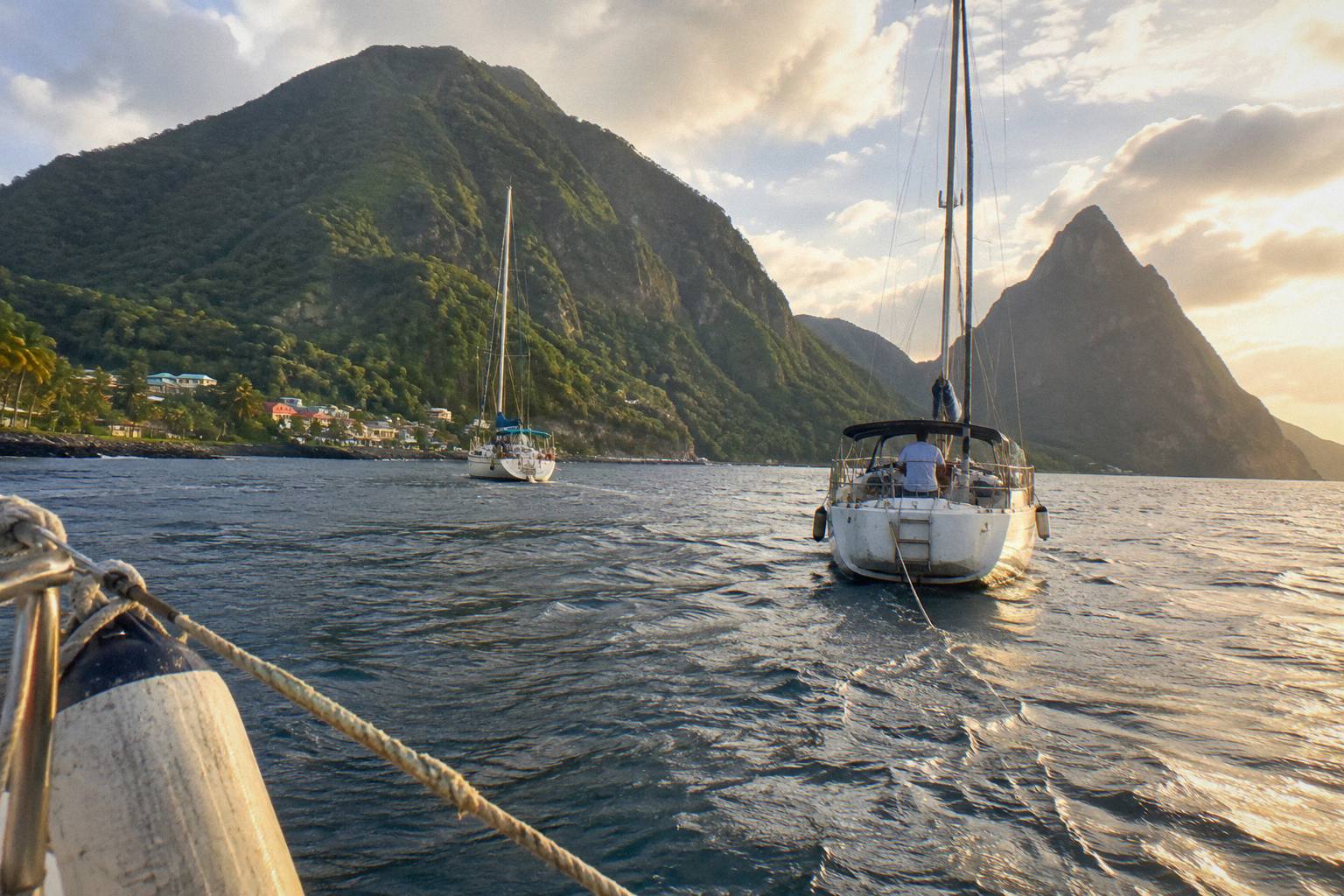
Soufriere-based options follow the same seasonal logic with a different backdrop. The Gros Piton stands 798 m and the Petit Piton 743 m, per the Saint Lucia Pitons page, and the UNESCO inscription dates from 2004. The Private St Lucia Champagne Sunset Cruise from Soufriere hotels, run by St. Lucia Taxi Service for up to 15 guests over 3 hours from US$220, includes champagne, beers, rum punch, finger foods and air-conditioned hotel pickup and drop-off, with free cancellation up to 24 hours before start. There is a dedicated rundown of these southern departures in the Soufriere hotel pickup and sunset sail guide.
A season-by-season shortcut for choosing format: in February and March, book the shared sail early and treat a private boat as an upgrade for a date night; in the summer plateau, lean private with flexible timing and keep the cancellation window intact; in the shoulder months, take whichever format your group size suggests, because both are easy to get. St Lucia Sunset Cruise keeps the full set of these evening products, with live dates and prices for each month.
What Trips People Up Before You Book
The recurring mistakes are booking the last evening of a trip inside hurricane season, reading the rainfall average as a forecast, ignoring the one-hour sunset swing between November and July, and forgetting that one Castries luxury product is final-sale with a minimum age of 16. Each is avoidable with a calendar, a cancellation window and one look at the monthly table above.
First, the calendar mistake. A trip that ends on a Saturday with the sail booked for Friday night has no recovery slot if the operator calls the evening off. Inside June to November, book the sail early in the stay, keep a fallback evening, and prefer products with free cancellation up to 24 hours before start, which is every cruise compared here except the Castries luxury catamaran. Second, the forecast mistake: a 250 mm October is a monthly total, not an evening prediction, and the west coast is the calmer, sheltered side in any month. Check the operator's decision on the day, not the monthly mean.
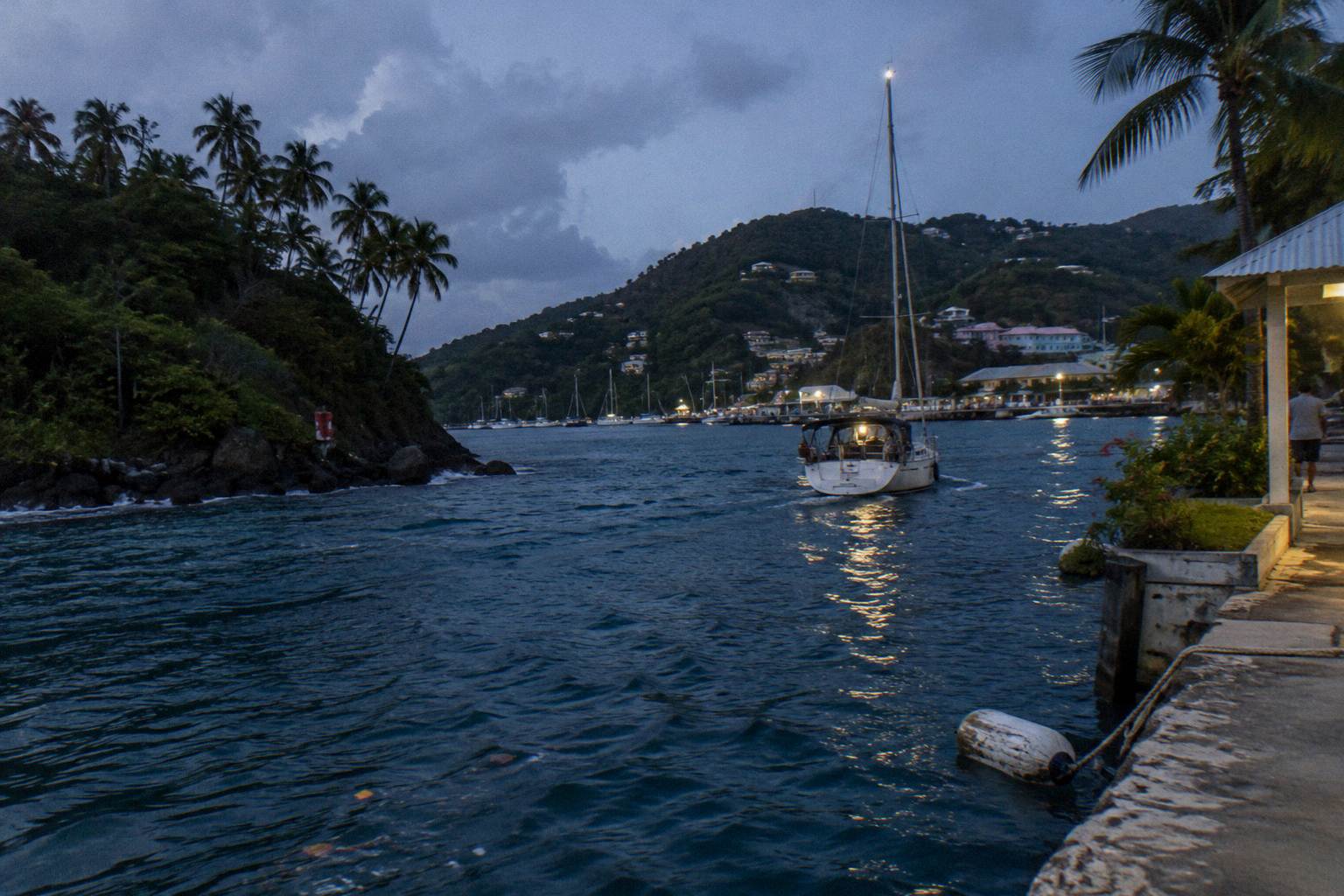
Third, the clock mistake. A late-November sunset at about 5:33 pm and a mid-July sunset at about 6:36 pm are different trips: one is a short dusk run, the other a long light-filled evening. Match the format to the month, 3 hours for the short-light months if you want time on the water, 2 hours when daylight stretches late. Fourth, the fine-print mistakes: the minimum age of 16 and final-sale terms on the Castries luxury catamaran, and the pickup surcharges on the Dream boat tours private cruise, US$40 fuel per booking, US$50 for Marigot Bay, US$100 for Soufriere. Read the exclusions before the button, not after.
Common Questions About Sailing Seasons
What Is The Best Month For A Sunset Sail In St Lucia?
March and February, with mean rainfall of 65 mm and 70 mm, are the driest months and sit inside the January to mid-April dry season. Air temperatures hold around 26 to 26.5 °C in the core months. If warmer sea and later sunsets matter more, June and July offer sunsets as late as about 6:33 pm and 6:36 pm on the 15th of the month.
Which Months Should I Avoid For A Sunset Sail In St Lucia?
October and November carry the highest mean rainfall, 250 mm and 235 mm, and sit inside the Atlantic hurricane season that runs June 1 to November 30. Sails still run in these months; the practical safeguards are booking early in your trip, keeping a fallback evening and choosing products with free cancellation up to 24 hours before start.
What Time Does The Sun Set In St Lucia?
Sunset stays within roughly 5:30 and 6:40 pm all year. It is earliest about 5:33 pm around November 21 and latest about 6:36 pm around July 11, Castries local time, with no daylight saving. On the 15th of each month it ranges from 5:55 pm in January to 6:36 pm in July.
Is Hurricane Season A Reason To Skip A St Lucia Sunset Sail?
No. The season runs June 1 to November 30, and the 1991 to 2020 Atlantic average was 14 named storms, 7 hurricanes and 3 major hurricanes across the whole basin, not on any one island. Evening sails are routinely sold in these months, and operators make the final call on the evening. Cancellation terms on the product you book govern what happens next.
How Warm Is The Sea And Air On An Evening Sail?
Sea temperature typically sits between 26 and 29 °C all year, and mean air temperature runs from 26 °C in January and February to 28.2 °C in September. Evenings on the water stay warm in every month, though the months around the December and January early sunsets feel cooler once the sun drops.
Do Sunset Sail Prices Change With The Season?
Demand peaks in the dry season, roughly January to mid-April, and shared boats fill earlier then, so availability rather than the from-price is what tightens. From-prices, from US$75 for the shared champagne sail and from US$220 for a private Soufriere champagne cruise, are US dollars, vary by date and group, and the booking page shows the price for your specific date.